
این محتوا را با هوش مصنوعی مطالعه کن :
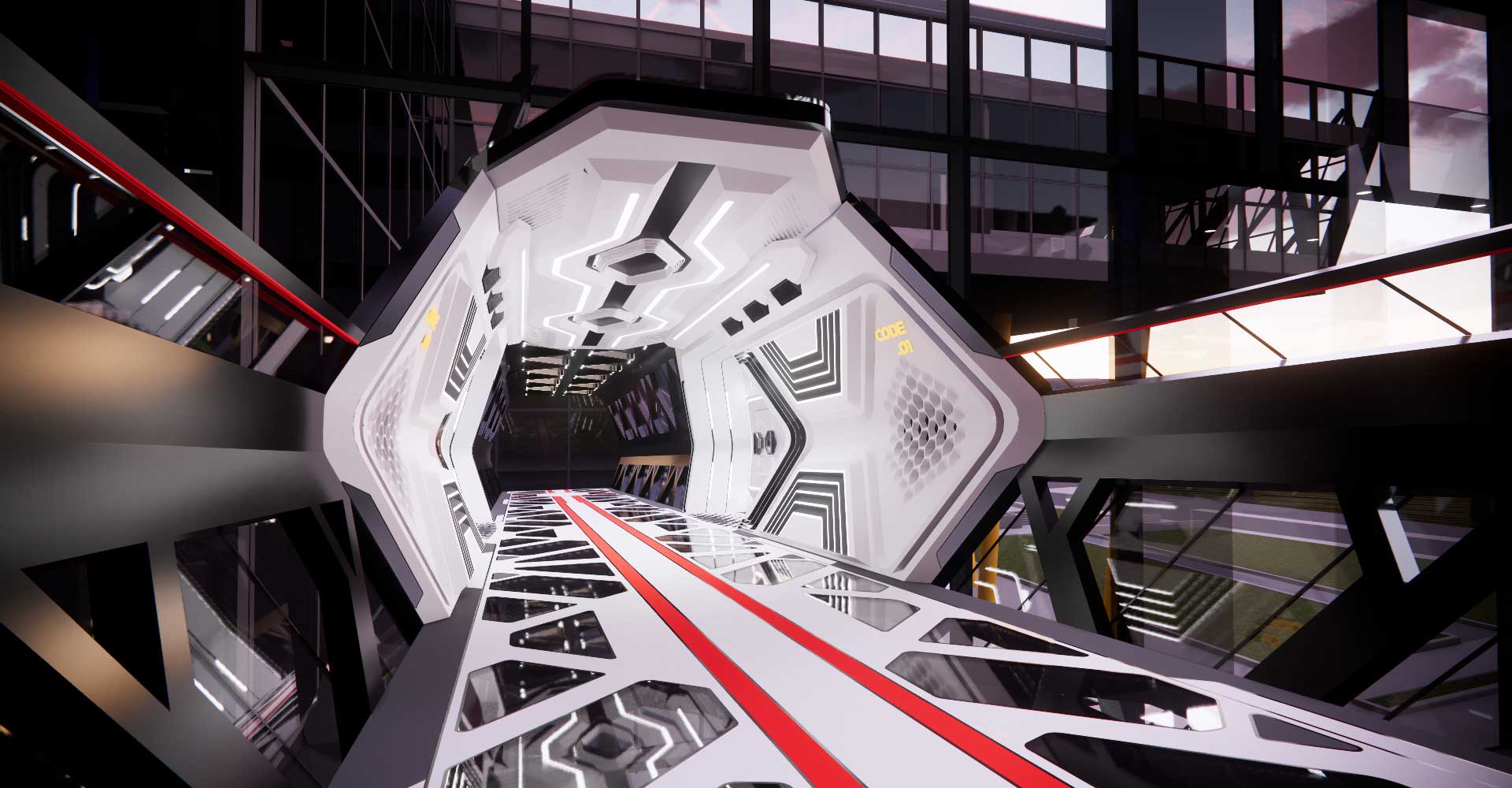
Modern architectural design is a dynamic and influential field within the construction industry that has undergone significant changes in recent decades.
This design approach emphasizes the use of new technologies, simplicity and efficiency, and addressing environmental needs. It significantly influences the development of cities and living spaces, particularly in our current era where sustainability is increasingly prioritized. For investors and engineers in this field, having a thorough understanding of the principles and trends in modern architectural design is crucial for achieving success in construction projects.
Definition of modern architectural design
Modern architectural design refers to design methods that emerged in the mid-20th century, emphasizing simple forms, transparent structures, and a departure from previous decorative and complex styles.
Defined by clean lines, open spaces, and industrial materials like steel and glass, this style prioritizes efficiency, practicality, and comfort for residents, alongside aesthetics.
Principles of Modern Architectural Design
In modern architectural design, there are several key principles that can be mentioned:
Simplicity and efficiency: The use of simple and functional forms that offer beauty while being practical.
Use of new technologies: The use of new tools and techniques in the design and construction process, such as 3D design software, advanced construction technologies, and new materials.
Implementing green and sustainable architecture involves focusing on environmental considerations, utilizing recycled materials, and harnessing renewable energy. This approach not only minimizes negative effects on the environment but also positively influences the long-term costs of construction projects. This trend is increasingly important for investors and engineers in today’s world.
Smart buildings utilize modern technologies like the Internet of Things (IoT) in their design, enhancing quality of life and productivity. These buildings can automatically adjust lighting, temperature, and energy consumption.
**Design with Virtual Reality (VR) and Augmented Reality (AR):** These technologies enable architects and engineers to fully simulate designs and visualize them at scale before actual project implementation. **Use of New Materials:** Modern designs incorporate materials such as self-healing concrete, smart glass, and lightweight steel. These materials not only enhance the performance of buildings but also contribute to their aesthetic appeal.
**Challenges and Opportunities in Modern Architectural Design** Modern architectural design brings numerous innovations and advancements, but it also faces several challenges that can impact the implementation of projects. **Economic Challenges:** Many modern architectural projects require substantial investment, which can be a burden for some investors.
The use of new materials and advanced technologies may have high initial costs; however, over time, these costs are offset by reduced energy consumption and an extended lifespan of buildings. There are technical challenges involved as well: designing and implementing modern buildings demands extensive technical knowledge and specific skills related to the use of new materials and technologies.
Engineers and architects need to continuously update their skills to keep up with the latest trends and technologies. Opportunities for Investors and Engineers: As the emphasis on green architecture and sustainable buildings grows, investors can explore new markets by concentrating on modern architectural projects that are both environmentally friendly and economically viable.
This process not only leads to financial benefits but also helps improve the environmental situation.
In the end…
Modern architectural design is becoming an innovative and efficient method within the construction industry. This design approach enhances both the aesthetics and functionality of buildings while significantly contributing to environmental sustainability and minimizing their negative impacts. For investors and engineers, it is crucial to understand the principles, trends, and challenges of modern architecture in order to successfully execute projects in this field.
If you are looking for an opportunity to invest in modern and sustainable architectural projects, now is the time to act.
Understanding and implementing these trends will not only lead to economic benefits but will also have a direct positive impact on the quality of life and the environment.